
5 Self-Defense Lessons Every Child Should Know (and How We Teach Them)
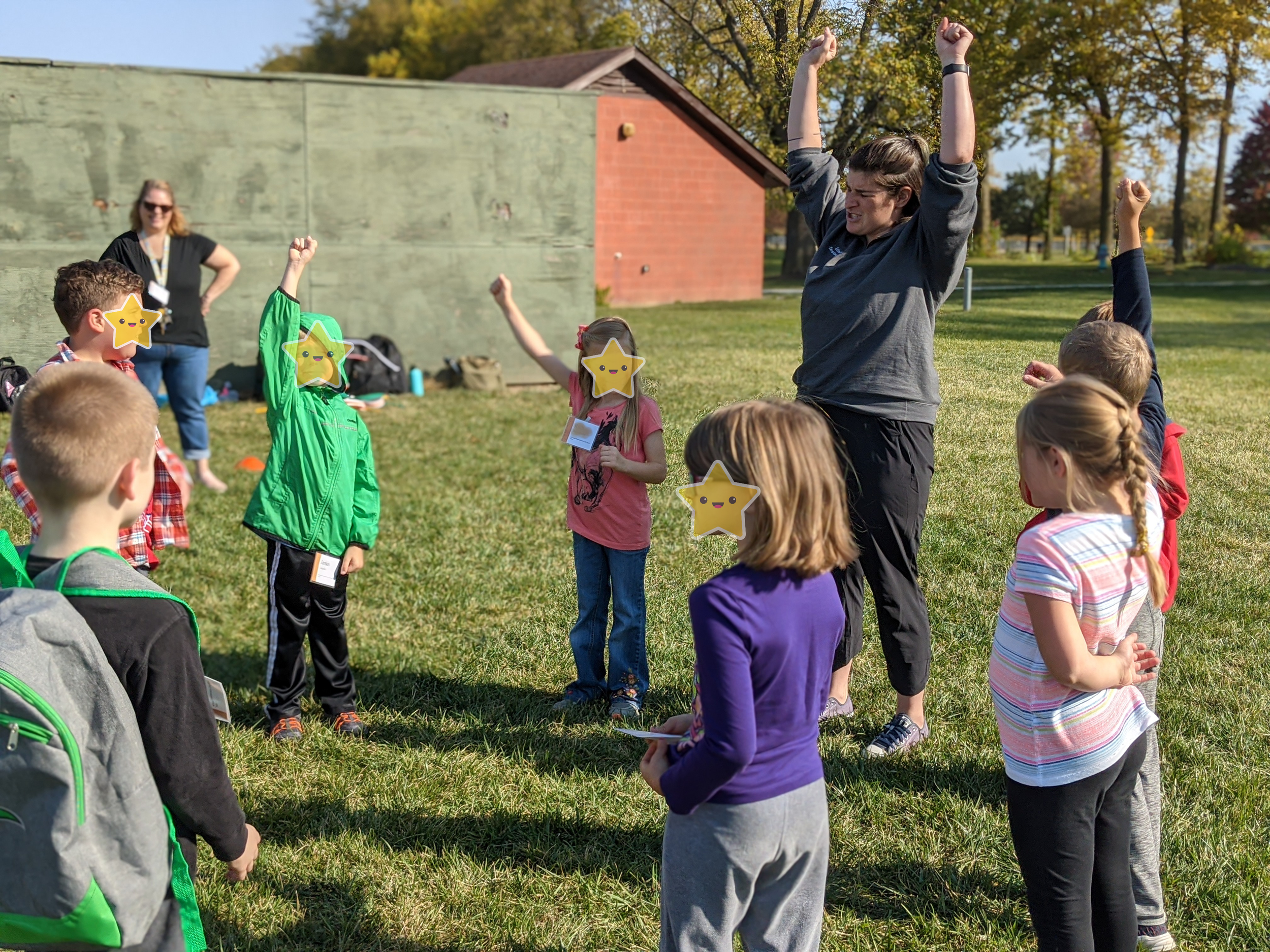
When we began our journey as Empowerment Self-Defense instructors, we envisioned classes of adult women, sharing their life experiences and hitting pads with all their might. We threw ourselves into research on domestic violence, campus assaults, and trauma psychology—doing our best to ready ourselves for whatever experiences the women in our workshops might have had. But just a few classes into teaching, we got a call we didn’t expect: Can Thrive go into an elementary school and teach self-defense to children whose neighborhood has seen a spike in attempted abductions?
Yes, we’d love to, we answered. These kids needed help—and fast—so we dove back into our research and curriculum to adapt what we taught for younger audiences. Drawing from Lindsey’s years of experience as director of a summer camp and weekly programming for at-risk kids and my experience as a mom, we created games and activities that would get little bodies moving and having fun, and learning while doing it.
When we go into a school or community program, these are the key concepts we introduce and then continually reinforce through different games and activities.
1. You matter and your voice matters. Just as with adult ESD, attitude—knowing you’re worth fighting for—is a foundational idea that cannot be overlooked. Many of our activities focus on getting kids to talk about what makes them strong, what they like about themselves, and why they’re important. From signature dance moves to “power shouts” we celebrate kids’ individuality and reinforce their self-worth.
2. Listen to your intuition. While most elementary schoolers have never heard the term intuition, they know what an uh-oh feeling is like—it’s that house on the block that you don’t want to trick or treat at, or the one with the big dog that you run past at top speed. We open discussions about what that feeling is like, where they feel it in their bodies, and what they can do when they feel it. We stress that that feeling is always right—it’s there to protect them—and when they feel it, they should talk about it with someone they trust.
3. Your body belongs to you. This is the foundation for kids developing body autonomy and understanding consent. It’s OK to not want to give or receive hugs all the time, for example, and we practice polite but firm ways to tell well-meaning (or not) adults that they don’t want touch. We use a game akin to “Rock, Paper, Scissors” called “Wave, Handshake, Hug” to begin to understand consent. Borrowing language from our friends at KidPower International, we also distinguish that some touch that is not a choice—such as doctor visits or caregivers helping with bathing or toileting—but those instances should then not be a secret. If touch ever doesn’t feel right, a child should tell another adult.
4. Pick your chief grownup(s) and don’t keep secrets from them. We’ve designed a fun art activity called the “Donut of Trust” to help kids identify who their safe or “chief” grownup is—this is the person or few select people that love and take care of them and that they feel they can go to if they’re hurt or afraid. If they don’t listen, keep telling until you find a grownup who listens.
5. There are no rules in physical self-defense. If a child is in a situation where they feel afraid for their safety or life, we let them know that they are allowed to do anything they need to get away to safety. Scratching, biting, hair pulling, screaming in public—remember all those things you got in trouble for doing to your siblings or cousins when you were a kid? Now is the time that it’s OK to do them.
These lessons are basic but so critical for kids’ independence. There’s absolutely no reason to scare children into being safe (and I’m pretty sure I still have nightmares from my 1980s ChildWatch school visit); rather, focusing on their self-esteem and the power they have to notice situations and communicate about them is a far more empowering approach. They still have fun kicking pads, of course. But if, by the end of the session, we’ve gotten them to talk to their chief grownup, pay attention to the sensations in their bodies, or speak up for their feelings, we’ve made a positive impact.
—Lauren